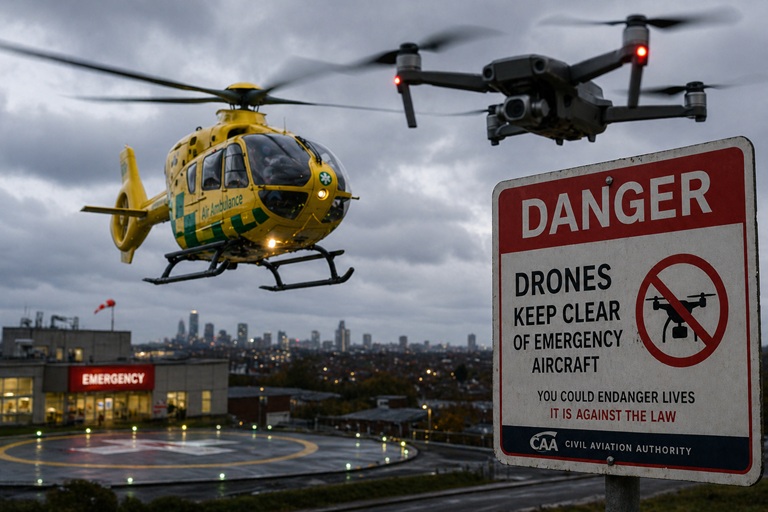


A lot of drone pilots are flying on second-hand memory. A YouTube explainer from ages ago. A forum reply. Something a mate said while unpacking a folding chair in a field. That might feel efficient, right up until the rules move and they usually do.
The UK’s 2026 changes around class marks, legacy aircraft and remote ID have left plenty of people murky on what applies to what. You can see it all over the place. Half-confidence. Half-understanding. Full certainty. A bad combination.
This is where people get caught. They buy new kit, start taking paid jobs, drift into more built-up locations, then discover they are still thinking like it is last year. Bureaucracy is dull, but it is surprisingly energetic when it senses laziness.
Why this keeps happening
Because regulation rarely arrives like a thunderclap. It seeps in through updates, clarifications and wording changes. Nothing dramatic, until the accumulated effect leaves a pilot relying on rules that no longer quite exist in the form they remember.
For hobby flying, that can be messy. For commercial work, it is worse. If you are charging for aerial filming, inspection work or property content around Norwich and Norfolk, clients expect you to know the legal shape of the job before you unzip the drone bag.
The smarter question now
The old question was, “How good is this drone?” Fair enough. The better question in 2026 is, “How does this aircraft fit the rules I am flying under now?” That is less exciting, but so is most professional competence.
Pilots who stay current will quote more confidently, plan faster and avoid silly mistakes. The ones running on stale advice are trusting luck far more than they think. Luck has never been especially loyal.